A Comprehensive Overview to A/c Jobs: Abilities, Training, and Job Leads
The heating and cooling sector is a vibrant area that calls for an one-of-a-kind collection of skills and training. Professionals should have strong interaction and problem-solving abilities while paying very close attention to detail. Employment training and qualifications are necessary for those wanting to enter this market. As need for energy-efficient technologies expands, so do job leads. Recognizing the demands and pathways can open varied chances within this market. What are the essential factors that can affect career development?
Vital Skills for Cooling And Heating Professionals
Technological expertise is crucial, Cooling and heating professionals should additionally possess a varied collection of vital skills to prosper in their area. Interaction skills are vital, as specialists often connect with clients to explain complex concerns and options in understandable terms. Problem-solving capacities are similarly important; specialists have to deal with and identify cooling and heating system breakdowns successfully.

Furthermore, strong interest to information assurances that fixings and installations are finished properly, reducing possible problems. Physical endurance and dexterity are necessary, offered the demands of the work, consisting of raising hefty tools and operating in confined areas.
Time administration skills permit heating and cooling professionals to prioritize tasks efficiently, assuring prompt solution delivery. Finally, flexibility is important in a swiftly developing sector where brand-new modern technologies and practices emerge regularly. Jointly, these abilities boost an a/c specialist's effectiveness, ensuring they satisfy client needs while preserving high standards of service.
Training and Certification Requirements
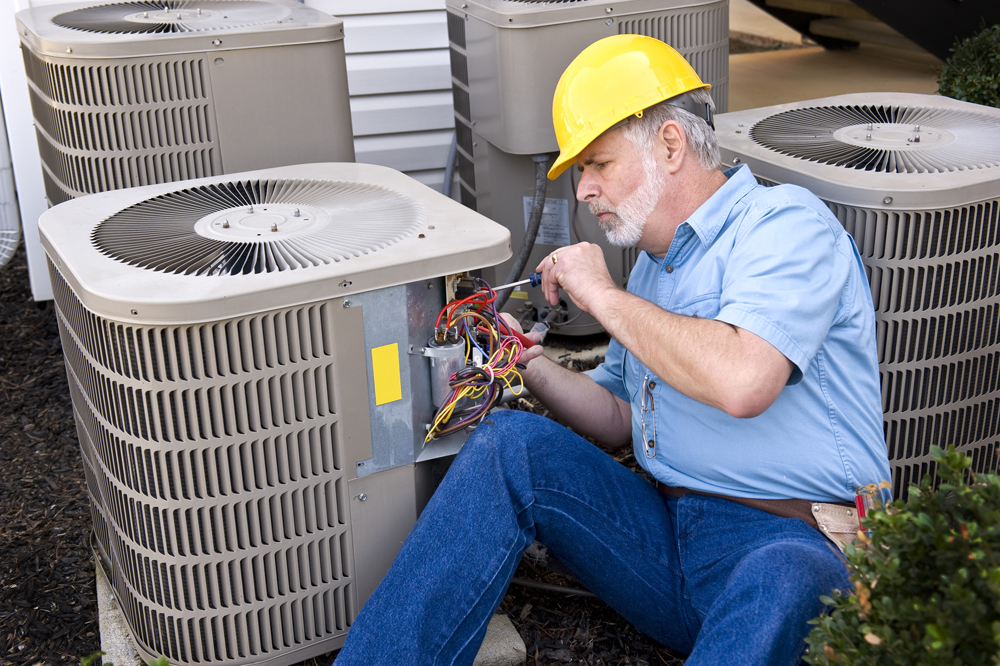
To master the heating and cooling sector, individuals need to undergo specific training and get appropriate qualifications that validate their abilities and understanding. Usually, aspiring cooling and heating specialists begin with a senior high school diploma or equivalent, followed by employment training or an associate degree in heating and cooling modern technology. These programs typically cover basic concepts, system style, and repair service techniques.
In enhancement to formal education and learning, acquiring certifications from acknowledged organizations, such as the Environmental Security Agency (EPA) and North American Professional Excellence (NATE), is necessary. EPA certification is essential for taking care of cooling agents, while NATE accreditation demonstrates effectiveness in different heating and cooling topics.
Hands-on experience via teaching fellowships or apprenticeships additionally enhances a person's qualifications. Continuous education is additionally crucial, as the cooling and heating sector advances with new innovations and laws. By fulfilling these training and certification demands, people position themselves for success in an affordable work market.
Occupation Paths in the HVAC Market
With the essential training and certifications in position, individuals can discover numerous profession courses within the cooling and heating market. Typical duties consist of HVAC specialist, who performs repair work, upkeep, and installation of home heating, air flow, and air conditioning systems. Another alternative is ending up being a HVAC designer, concentrating on system style and effectiveness, usually needing sophisticated education in design concepts.
Furthermore, people may pursue sales functions, concentrating on cooling and heating products and services, which require solid communication skills and technological expertise. Some may choose to advance right into monitoring settings, overseeing groups and projects while ensuring compliance with industry standards. In addition, chances exist in power auditing, where experts evaluate power usage in structures and recommend improvements. Each path uses special difficulties and rewards, dealing with varied ability sets and passions within the cooling and heating area.
Work Leads and Employment Opportunities
The cooling and heating industry flaunts a solid demand for certified specialists, driven by the recurring need for environment control systems in residential, industrial, and commercial setups. As energy efficiency and ecological sustainability become increasingly essential, the demand for skilled technicians remains to increase. Work prospects are especially favorable for those with specialized training and certifications, as employers seek people with the most recent knowledge in energy-efficient you could try these out modern technologies and smart cooling and heating systems.
According to market records, the work of a/c technicians is predicted to expand significantly over the next years, reflecting the market's durability also during financial fluctuations. In addition, as older systems need replacement and brand-new buildings emerge, opportunities reach both seasoned professionals and novices. Lots of HVAC firms are also broadening their services, creating more openings (HVAC Jobs Only jobs). On the whole, individuals getting in the cooling and heating area can expect a durable job market, with sufficient possibilities for growth and stability
Tips for Progressing Your Heating And Cooling Career
As experts navigate their a/c occupations, pursuing continual education and learning and specialized training can significantly boost their advancement prospects. Engaging in certification programs, such as those supplied by North American Service Technician resource Excellence (NATE) or the Refrigeration Service Engineers Culture (RSES), can considerably improve a technician's integrity and data base. Networking within the sector is just as necessary; participating in trade convention, workshops, and regional market events can open doors to brand-new chances and cooperations.
In addition, obtaining experience in varied areas, such as industrial systems or energy effectiveness modern technologies, enables technicians to come to be versatile specialists - HVAC Jobs Only jobs. Developing soft abilities, consisting of communication and analytical capabilities, is crucial for those intending for managerial or monitoring functions. Lastly, staying informed about industry trends and emerging technologies guarantees that heating and cooling specialists stay affordable in a rapidly evolving field, positioning them for long-term job success
Frequently Asked Concerns
What Is the Ordinary Wage for Cooling And Heating Technicians?
The average income for cooling and heating service technicians differs by location and experience yet typically ranges in between $40,000 and $60,000 every year. Aspects such as accreditations and field of expertise can considerably influence making prospective in this field.
Exist Specialized HVAC Area to Consider?
Yes, there are specialized cooling and heating fields, consisting of domestic, business, and industrial cooling and heating, as well as locations like refrigeration, power monitoring, and interior air top quality. Each specialization provides one-of-a-kind abilities and occupation possibilities within the sector.
How Can I Discover Cooling And Heating Task Openings?
To discover HVAC work openings, people must discover on the internet work boards, firm web sites, industry-specific discussion forums, and local profession schools. Connecting with professionals in the area can also reveal surprise chances and potential task leads.
What Tools Are Necessary for HVAC Job?
Essential tools for heating and cooling job include multimeters, refrigerant determines, pipeline wrenches, vacuum pumps, and leak detectors. These instruments enable technicians to identify, fix, and preserve air, ventilation, and home heating conditioning systems effectively and efficiently.
Can I Function in Cooling And Heating Without Certification?
Yes, one can work in HVAC without qualification, although chances may best site be limited. Several employers like certified prospects, and people without accreditation might discover it testing to development in their jobs or accessibility certain work placements.
To succeed in the A/c industry, people must go through particular training and get appropriate qualifications that validate their skills and knowledge. Normally, aspiring Heating and cooling specialists begin with a high school diploma or matching, complied with by trade training or an associate level in Heating and cooling modern technology. With the required training and certifications in area, people can check out numerous career courses within the A/c market. According to industry reports, the work of HVAC professionals is forecasted to expand substantially over the next years, mirroring the market's resilience even during economic fluctuations. Yes, there are specific Heating and cooling fields, including domestic, business, and industrial A/c, as well as locations like refrigeration, power administration, and indoor air quality.